


U.S. Consumer Confidence Slips in May Amid War on Iran
X/ @StrongEconomics
May 27, 2026 Hour: 9:07 am
🔗 Comparte este artículo
Middle East tensions have heightened concerns over global energy supplies.
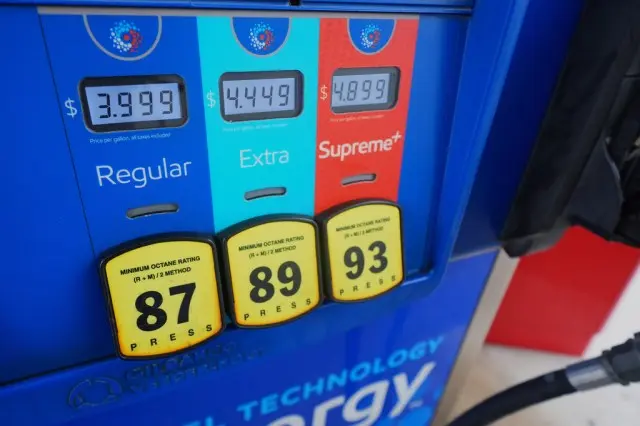
On Tuesday, the Conference Board published a report showing that U.S. consumer confidence fell in May as people grew increasingly concerned about inflation, energy prices and conflict in the Middle East.
RELATED:
U.S. Justice Department Sues University of California Over Alleged Antisemitism
The Consumer Confidence Index ticked downward 0.7 points to 93.1 in May from an upwardly revised 93.8 in April. Consumers’ write-in responses on factors affecting the economy continued to skew toward pessimism. The report found that references to prices and oil and gas increased in frequency for a second consecutive month, while mentions of war, geopolitics and conflict remained elevated.
“Consumer confidence edged downward in May as the inflationary impacts of the war in the Middle East intensified,” said Dana M. Peterson, chief economist at The Conference Board.
The findings come as tensions in the U.S.-Israeli war on Iran have heightened concerns over global energy supplies, particularly shipping through the Strait of Hormuz, a strategic waterway that typically carries roughly one-fifth of the world’s oil. Economists warned that prolonged instability could drive up energy costs, causing even more damage to the U.S. economy.
“If the situation in Iran remains unresolved, gas and other prices will rise further. This will cause an even larger deterioration in consumer sentiment. At some point, it will start raising unemployment, which will also be a very bad story,” said Dean Baker, co-founder of the Center for Economic and Policy Research.
Oil prices surged above US$100 per barrel after hostilities escalated earlier this year, at one point reaching a four-year high above US$126 amid concerns over disruptions to shipping through the Strait of Hormuz.
Prices retreated in recent days on hopes that progress in U.S.-Iran negotiations could eventually lead to the reopening of the waterway, though they remained above pre-conflict levels. The decline in oil prices has led some economists to believe consumer sentiment may have bottomed out.
“The big drop in oil prices … will work through to lower gas prices and improve consumer confidence. So, we may have hit bottom on consumer sentiment,” said Gary Hufbauer, a nonresident senior fellow at the Peterson Institute for International Economics.
That optimism was tempered after U.S. forces on Monday carried out a fresh round of strikes on Iranian military targets, pushing oil prices back toward the 100-dollar-per-barrel mark.
“The bombings suggest the countries are farther apart in their negotiations than publicly suggested and likely will make it harder for the nations to reach a peace deal,” Brookings Institution Senior Fellow Darrell West said.
teleSUR/ JF
Source: Xinhua